Category: Uncategorized
-
The changing nature of killings during the Pogrom: Part 2 – combatants
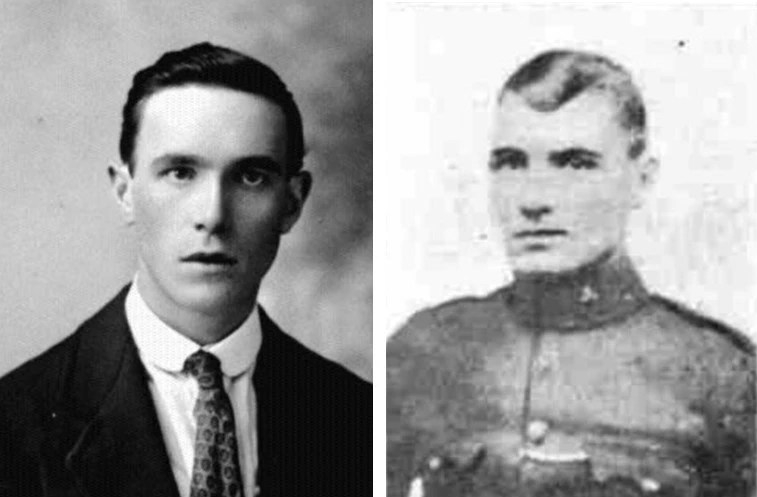
Following on from the review of civilians’ deaths, this post examines how the the killings of combatants varied over the course of the Pogrom.
-
The changing nature of killings during the Pogrom: Part 1 – civilians
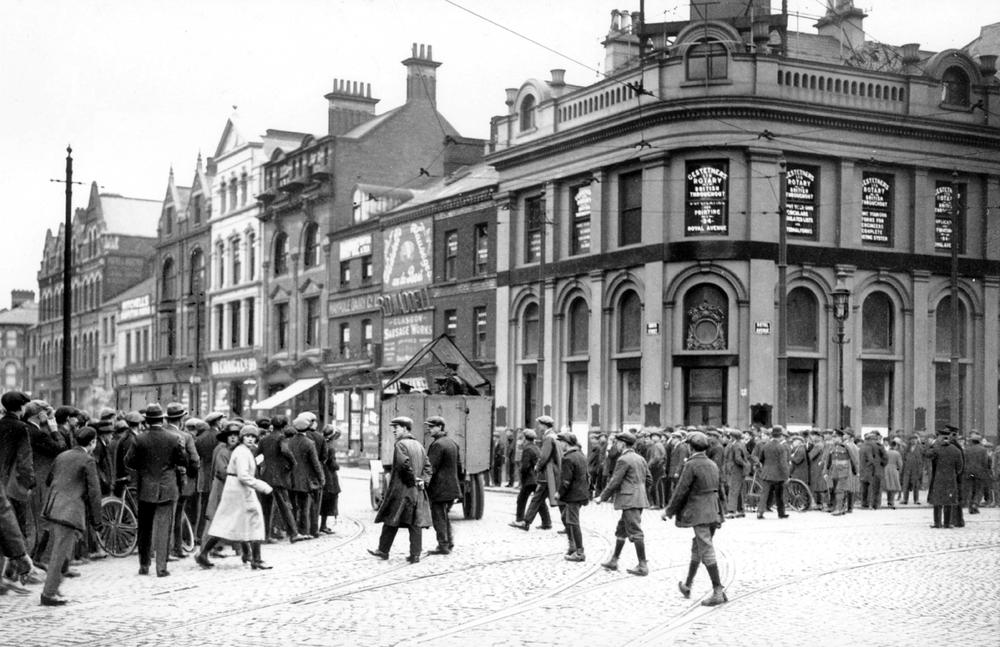
The latest update of The Dead of the Belfast Pogrom established that 501 people died as a result of the political and sectarian violence to which the city was subjected from July 1920 to October 1922. This blog post examines how the nature of the killings changed over the course of that period.
-
The Dead of the Belfast Pogrom – updated
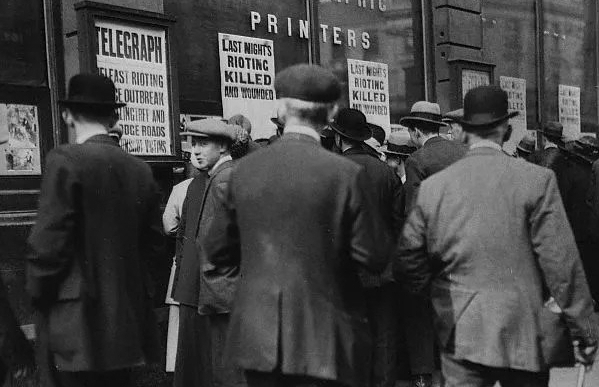
This blog post originally appeared as two articles on www.theirishstory.com, the first in October 2020, with an addendum following in January 2022. Here, those two articles are merged and, on the basis of additional research conducted since, the information has been updated. The total number of dead now stands at 500.
-
“All fairy tales”
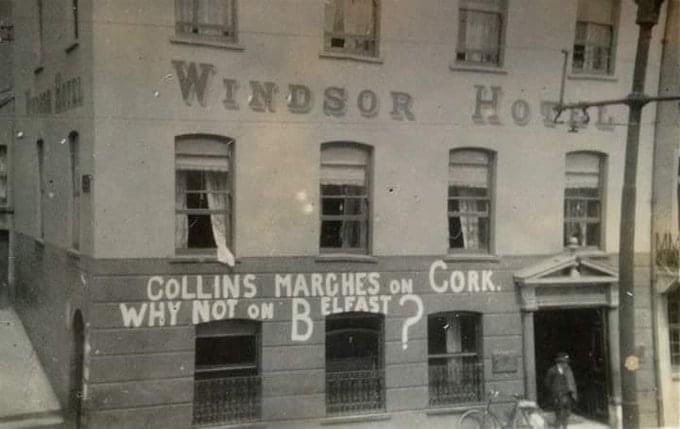
The IRA’s Northern Offensive, May 1922 – Part 4. The final instalment in this series of blog posts looks at how the northern and southern governments responded to the offensive.
-
“Only called off at the last moment because of some man’s intervention”
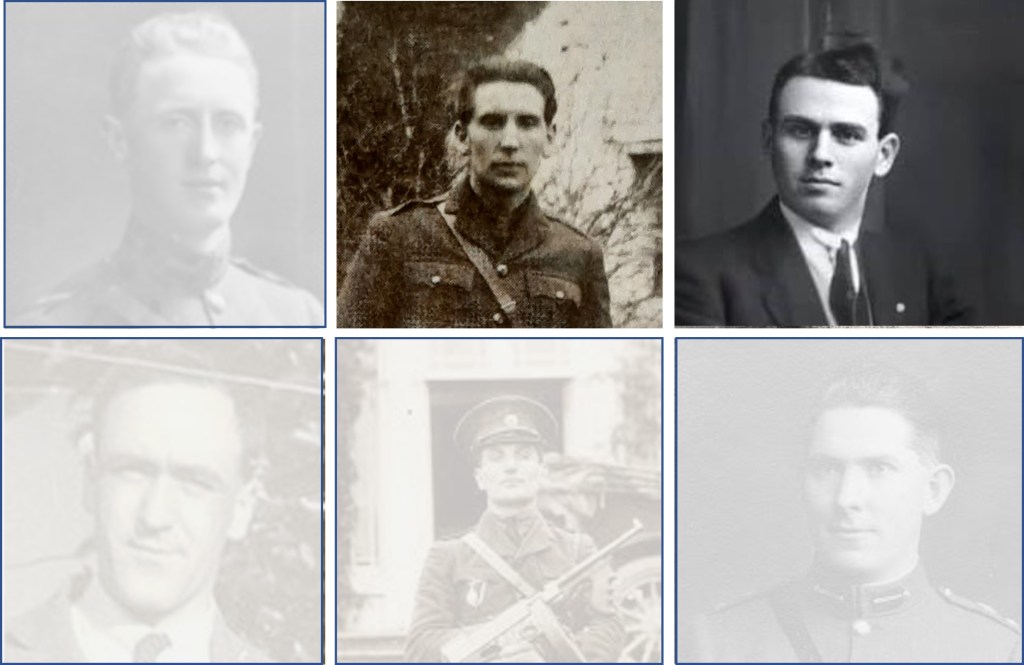
The IRA’s Northern Offensive, May 1922 – Part 3. The third in this series of blog posts examines how the plan drawn up in April 1922 was – and was not – carried out from May onwards.
-
“Belfast City to be held up – Republican troops to occupy positions in sufficient strength to hold same”

The IRA’s Northern Offensive, May 1922 – Part 2. The second in this series of blog posts looks at what the planning and preparations for the Northern Offensive entailed.
-
“We have set up a Military Council for the North”
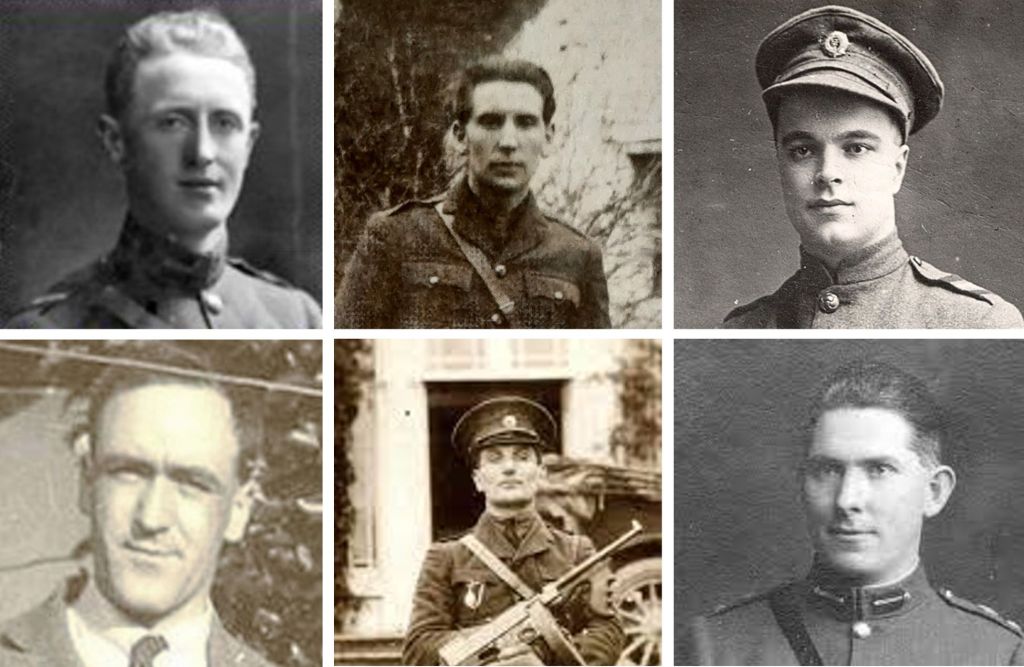
The IRA’s Northern Offensive, May 1922 – Part 1. During a Hedge School podcast last summer, History Ireland editor Tommy Graham lamented that he had been trying repeatedly to “get to the bottom” of the IRA’s Northern Offensive of May 1922, but with only limited success. This is my explanation of what happened.
-
Book review: “Rotten Prod” by Emmet O’Connor
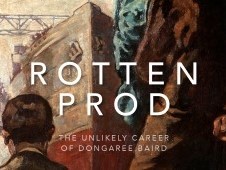
With this biography of James Baird, Emmet O’Connor has made a vitally important contribution to our understanding of the Protestant socialists and trade unionists who were among the first victims of the Belfast Pogrom, being vilified by their loyalist co-religionists as so-called “rotten Prods.”
-
Internment and the Market, 1922

On 28th October, the Market Development Association will launch “Pogrom and Partition – Belfast’s Market Area 1920-22”, a local history I’ve written for them. This is an extract from that publication, which examines how the internment clause of the Special Powers Act was applied in the area.
-
Why “pogrom”?
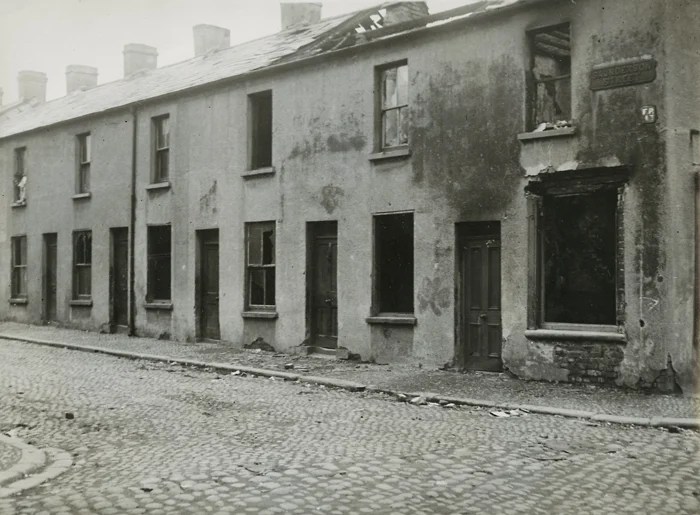
As this is the inaugural post on this blog, a logical place to start is with the term “pogrom” itself, as using it to describe what happened in Belfast from 1920-1922 proved to be contentious with perpetrators, contemporary observers and historians in the hundred years since.
 The Belfast Pogrom