Category: Uncategorized
-
Did the IRA shoot the wrong Military Adviser? Part 1
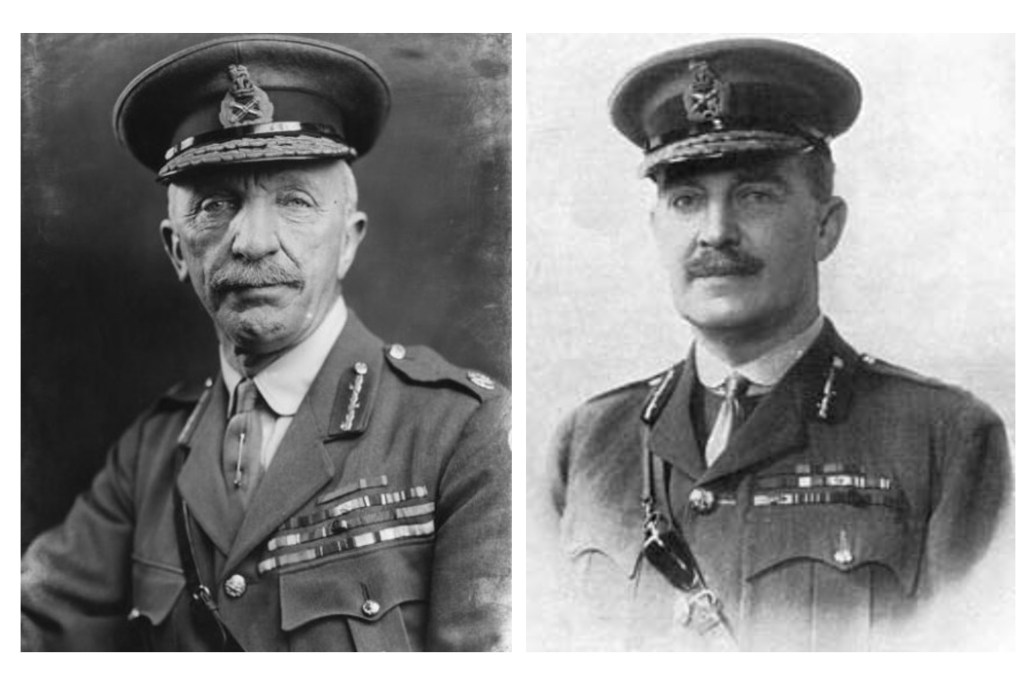
The killers of Field Marshall Henry Wilson said that one of their motives was his involvement in the Pogrom, but they over-stated the extent of this. His successor as Military Adviser to the Unionist government, Major General Arthur Solly-Flood, lasted longer but had less impact than he would have wished.
-
After the McMahons: the victims of Arnon Street
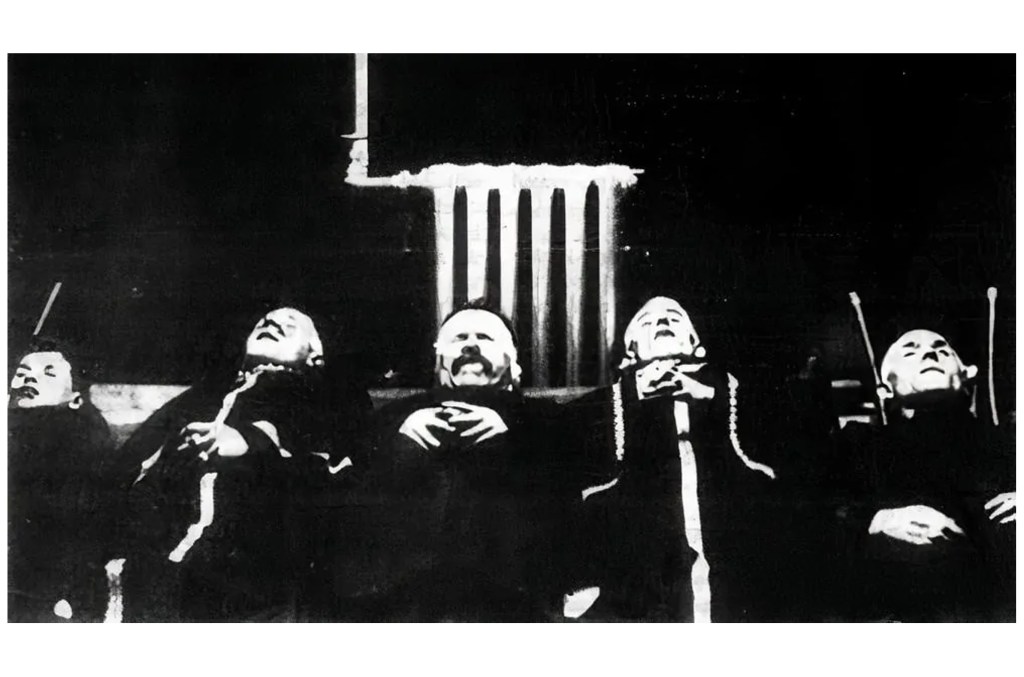
Just over a week after the notorious McMahon family killings, there was another attack with multiple fatalities. While there is a well-known photo of victims of the first incident, there are also photos of the victims of what came to be known as the “Arnon Street killings.”
-
Writings about the Pogrom

It would be an exaggeration to talk about “the literature of the Pogrom” as there simply isn’t very much of it. Instead, this post looks at various works in which the Pogrom figures to differing degrees – a novel, two plays, a poem and two contemporary pamphlets of political analysis.
-
Violence against women in Belfast: Part 2 – gendered and sexual
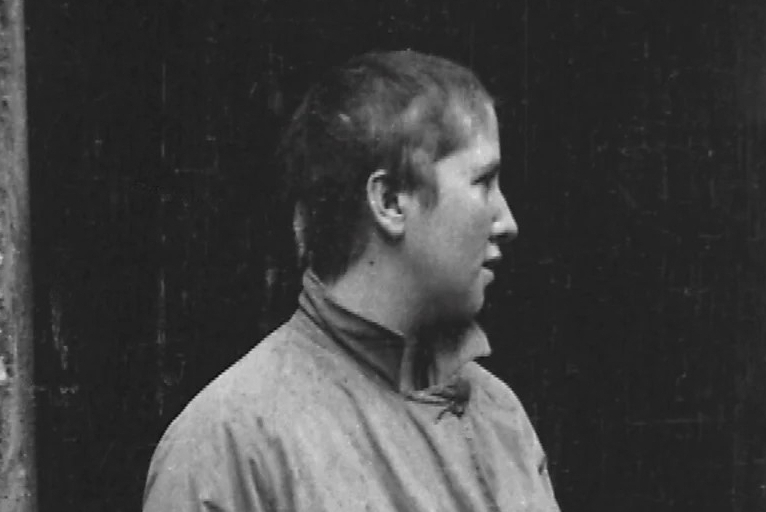
Part 1 of this post examined the first two of the forms of violence against women in the revolutionary period outlined by Marie Coleman – physical, psychological, gendered and sexual. This part investigates the extent to which Belfast women were subjected to gendered and sexual violence.
-
Violence against women in Belfast: Part 1 – physical and psychological
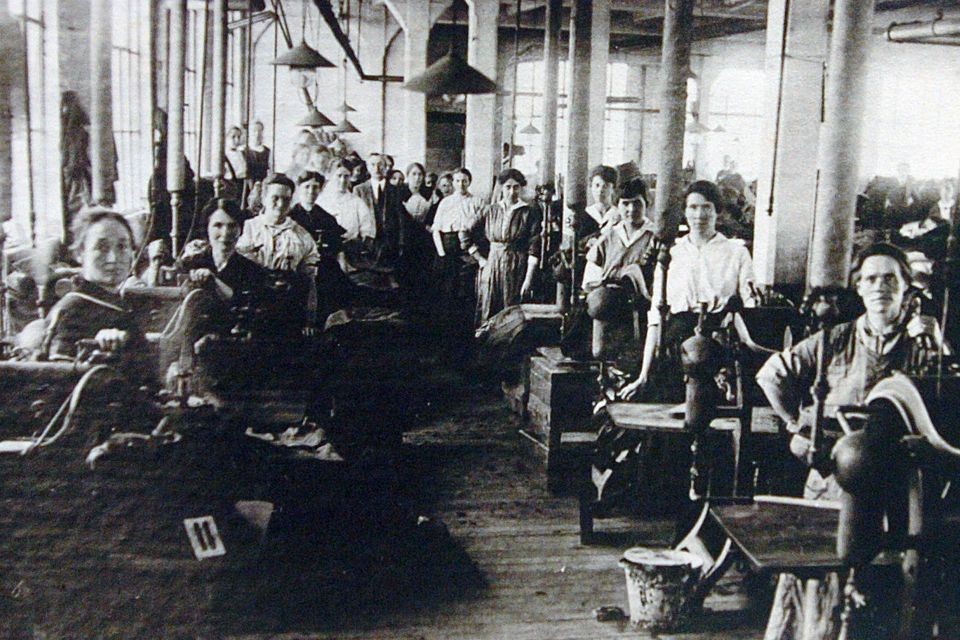
In recent years, increasing attention has been paid to the issue of violence committed against women during the Irish revolution. In Belfast, women and girls faced two arcs of violence: one political/sectarian, one gender-based; while the former was often lethal and the latter mostly non-lethal, at times they intersected.
-
After the Pogrom: the bereaved, the broken and the bitter

Partition left a political scar on all northern nationalists. But for those in Belfast, the Pogrom also left emotional and physical scars. The files of the Military Service Pensions Collection give us an insight into how those wounds affected people and the battles they fought to have them recognised.
-
Plebians and patricians: the Loyalist Relief Fund

Over the course of the Pogrom, 174 unionist civilians were killed. They left behind them hundreds of dependents, now deprived of a breadwinner. This post examines how the unionist community rallied round to help those of its members who found themselves in dire need.
-
Who were the 3rd Northern Division?
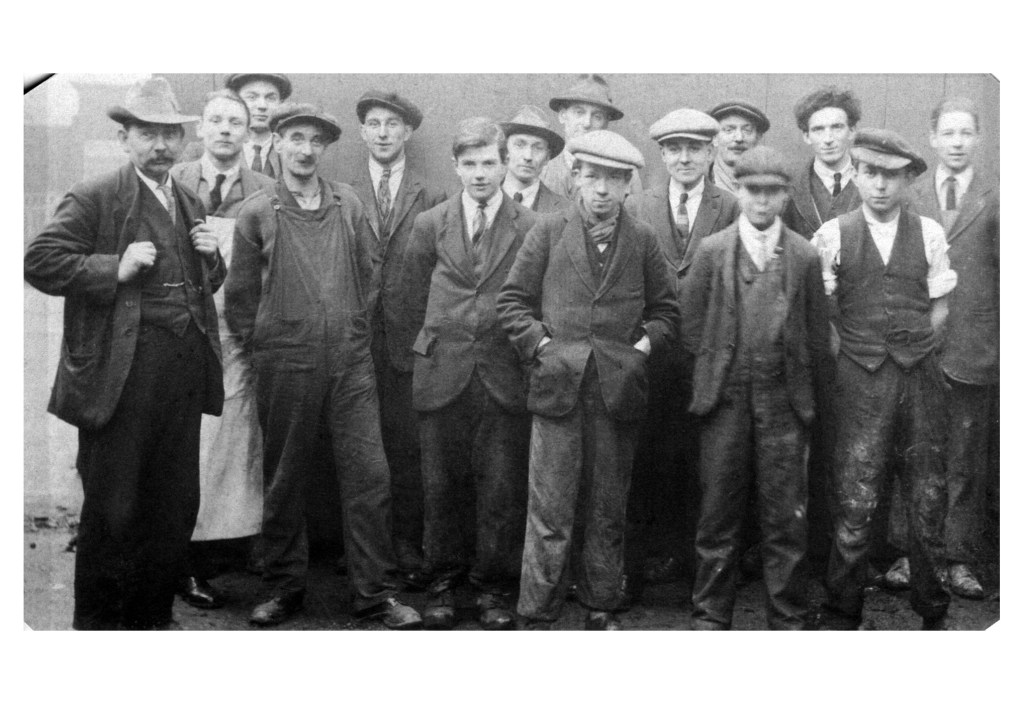
Belfast was the most industrialised city in Ireland, with a substantial working-class population, while many in its hinterland in Antrim and Down were engaged in farming. The 3rd Northern Division drew its members from these areas. What was the profile of that membership in terms of social class?
-
The Third Policemen
As well as the regular RIC/RUC and the Specials, a third police force operated in Belfast during the Pogrom, even running their own jails. Far less documented and far more elusive than the others, this post looks at the Irish Republican Police.
-
Who were the Belfast Specials?

In an otherwise innocuous-sounding file in Military Archives is a remarkable IRA intelligence document – a list of the names and addresses of almost 650 men who they believed were members of the Special Constabulary in Belfast. What does this document tell us about the city’s Specials?

