Category: Uncategorized
-
Constitutional nationalists: Part 2
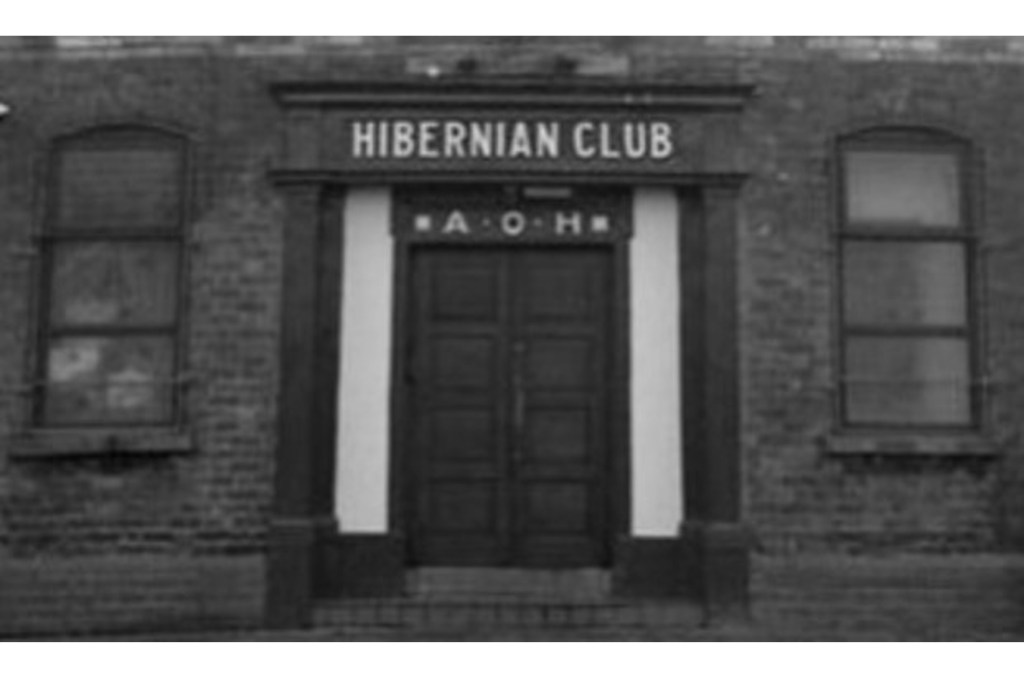
Part 1 of this post examined the roles of Joe Devlin and the Ancient Order of Hibernians up to the General Election of 1921. This part reviews events between the election and the end of the Pogrom.
-
Constitutional nationalists: Part 1

Much of the historical writing about the Pogrom from a nationalist perspective has concentrated on the IRA and republicanism more generally. But when the Pogrom began, republicans were a minority among Belfast nationalists – and the IRA were not the only ones with guns.
-
Survivors: people who were shot tell their stories
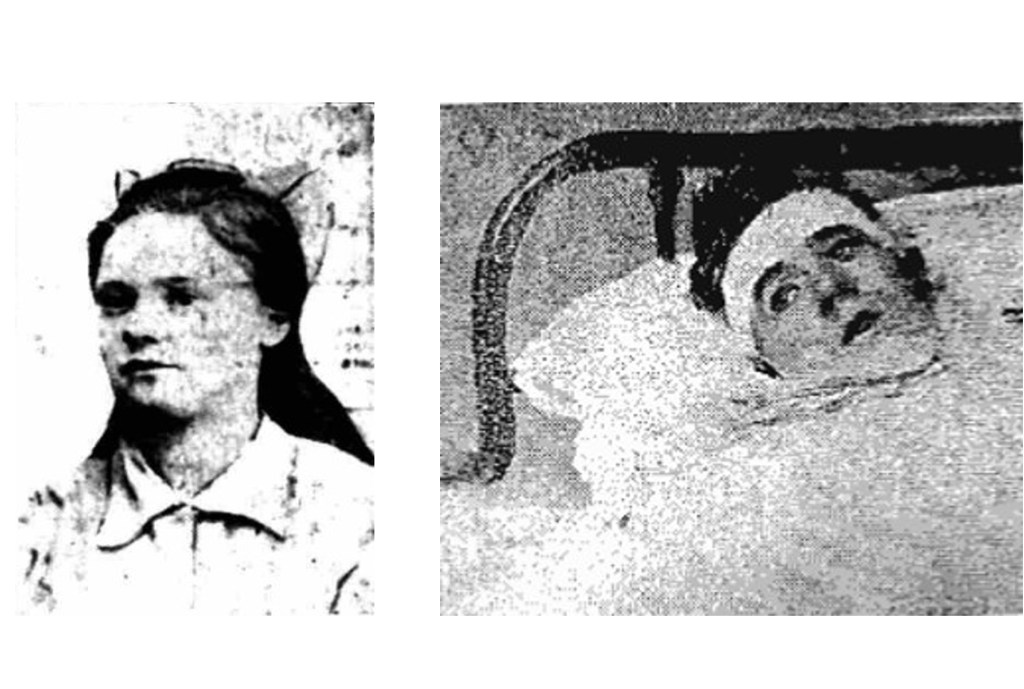
Very few people were charged with attempted murder during the Pogrom. Even fewer were convicted. Their intended victims told the courts what they had gone through – this testimony creates an opportunity to tell the stories of people who were shot but survived.
-
“I shall always hate Roman Catholics” – armed loyalists: Part 2

The first part of this post reviewed the activities of the revived UVF and of the newly-formed Ulster Brotherhood, or “Crawford’s Tigers,” and Ulster Imperial Guards. This part looks at the Cromwell Clubs and the Ulster Protestant Association.
-
“I shall always hate Roman Catholics” – armed loyalists: Part 1
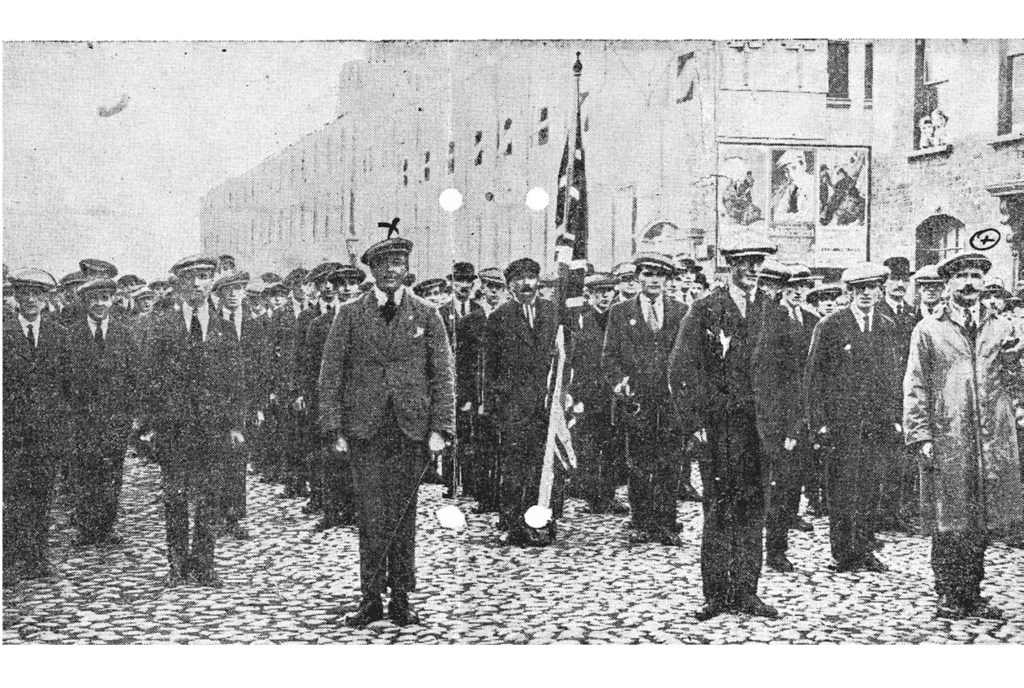
Various armed loyalist groups were revived or came into existence during the Pogrom. This post examines the Ulster Volunteer Force, the Ulster Brotherhood (“Crawford’s Tigers”) and the Ulster Imperial Guards.
-
The Map of the Belfast Pogrom
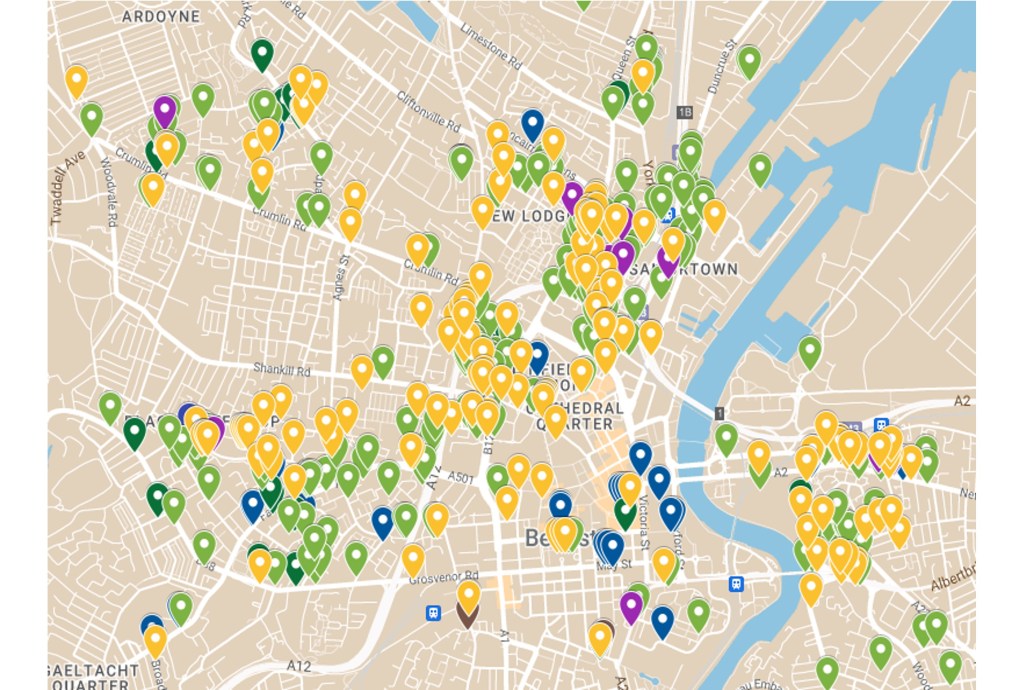
This is not an article, but a project: a map of all the deaths of the Belfast Pogrom, with each person’s name, the date, nature and location of the killing, who was responsible and when the inquest was reported in the press.
-
“The Specials had been firing on the troops” Part 2
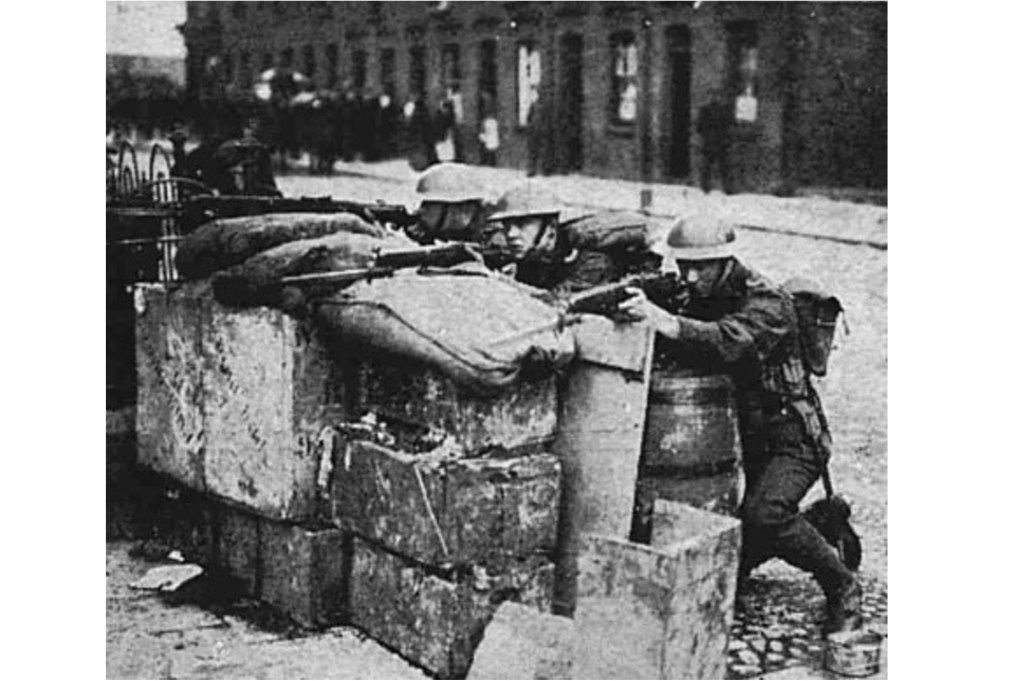
Part 1 of this post looked at the political tensions between the Unionist government and the British Army, as well as violent clashes between loyalists and the Norfolk Regiment in north Belfast. This part looks at the experiences of soldiers from other regiments in west and east Belfast.
-
“The Specials had been firing on the troops” Part 1
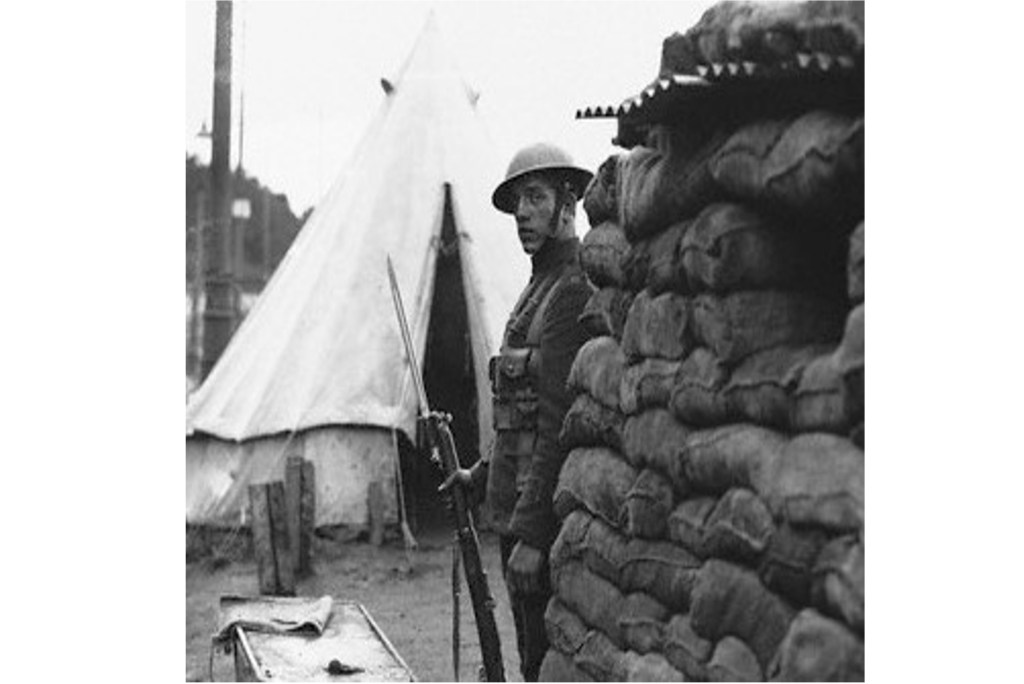
Thousands of unionists were among the British soldiers killed and wounded on the first day of the Battle of the Somme in 1916. But some loyalists tried to kill or wound British soldiers in Belfast six years later.
-
Did the IRA shoot the wrong Military Adviser? Part 2
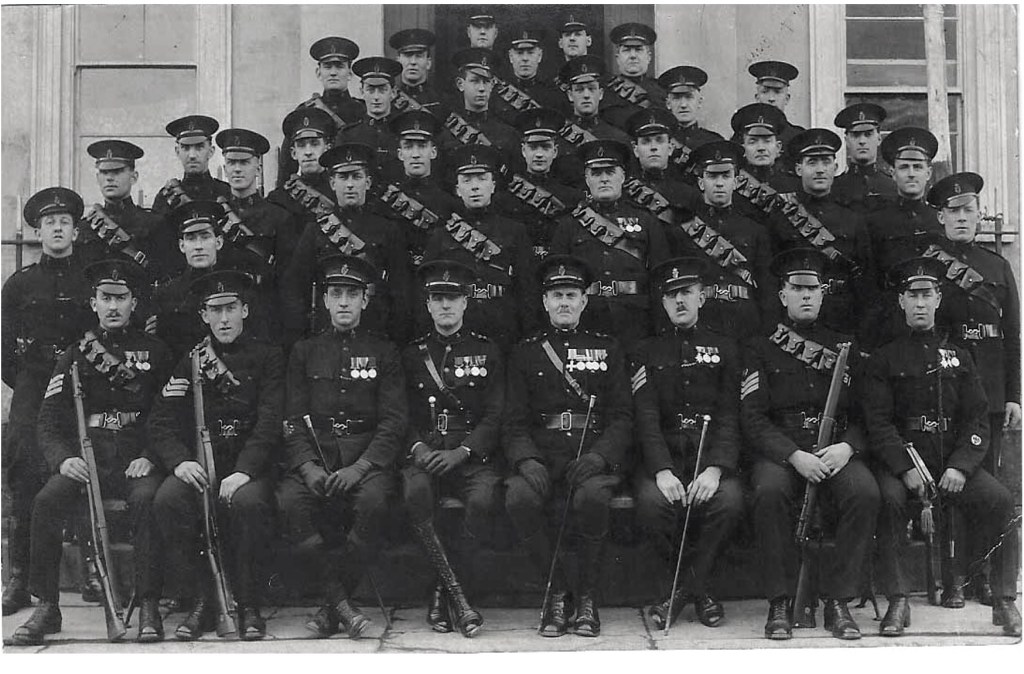
Part 1 of this post examined the plans and schemes devised by Major General Arthur Solly-Flood, Military Adviser to the Unionist Government of Northern Ireland, during his first few months in the role. Here, his most contentious proposal is discussed: the abolition of the B Specials.
-
Book review: “Ghosts of a Family” by Edward Burke

This is the most important book to be written in decades about the events of this period in the entire north, not just in Belfast.

