Category: Uncategorized
-
After the Pogrom: the bereaved, the broken and the bitter

Partition left a political scar on all northern nationalists. But for those in Belfast, the Pogrom also left emotional and physical scars. The files of the Military Service Pensions Collection give us an insight into how those wounds affected people and the battles they fought to have them recognised.
-
Plebians and patricians: the Loyalist Relief Fund

Over the course of the Pogrom, 174 unionist civilians were killed. They left behind them hundreds of dependents, now deprived of a breadwinner. This post examines how the unionist community rallied round to help those of its members who found themselves in dire need.
-
Who were the 3rd Northern Division?
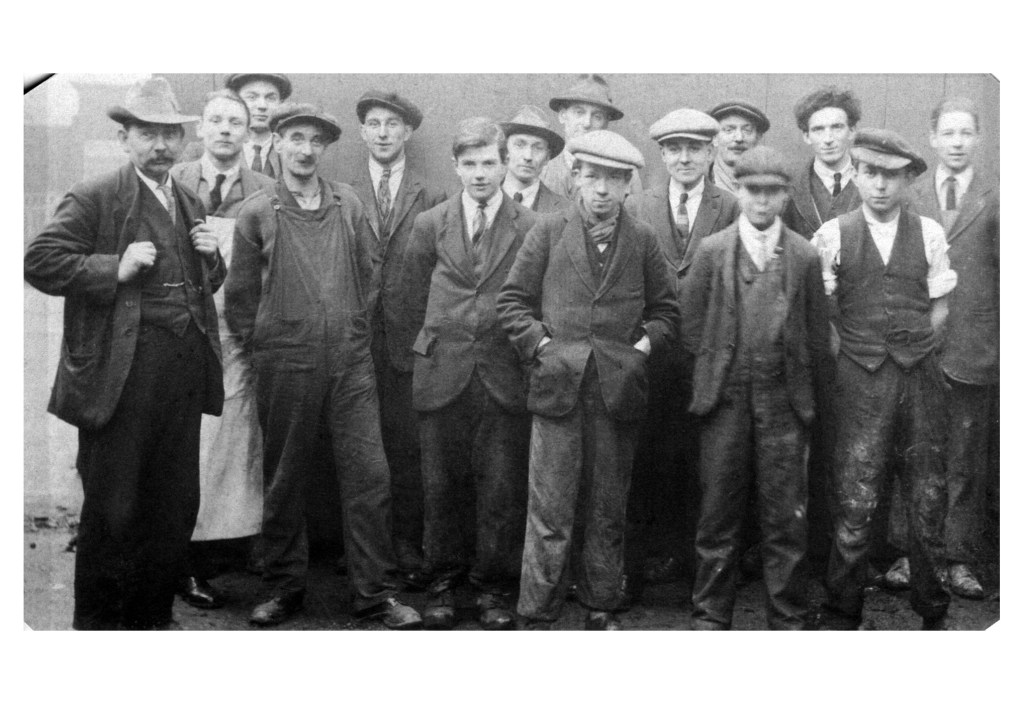
Belfast was the most industrialised city in Ireland, with a substantial working-class population, while many in its hinterland in Antrim and Down were engaged in farming. The 3rd Northern Division drew its members from these areas. What was the profile of that membership in terms of social class?
-
The Third Policemen
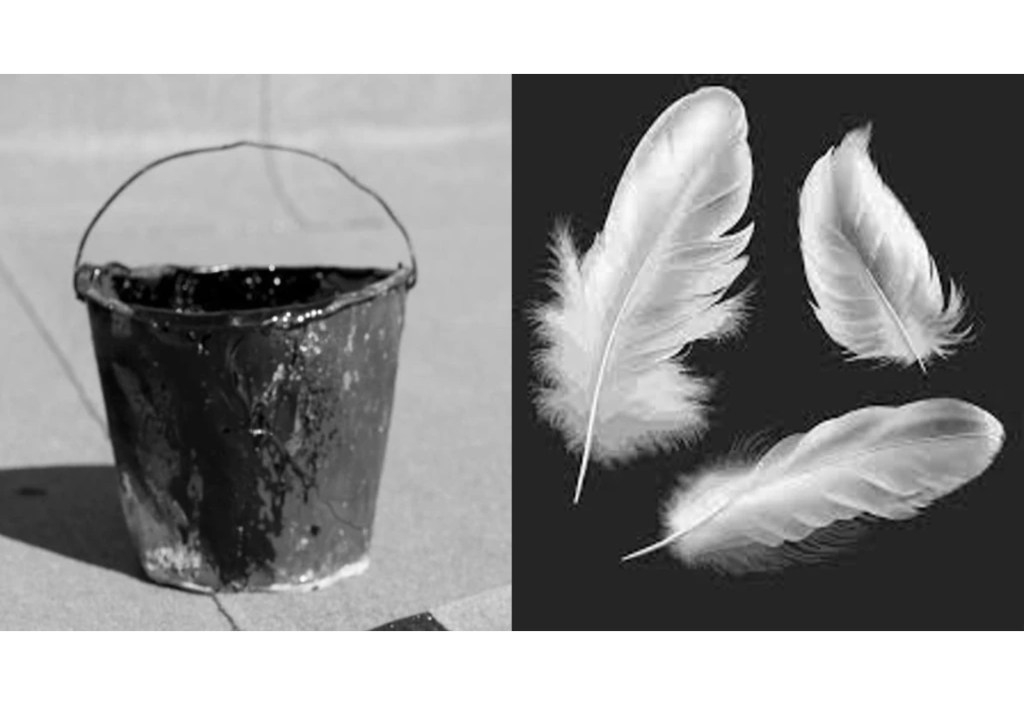
As well as the regular RIC/RUC and the Specials, a third police force operated in Belfast during the Pogrom, even running their own jails. Far less documented and far more elusive than the others, this post looks at the Irish Republican Police.
-
Who were the Belfast Specials?

In an otherwise innocuous-sounding file in Military Archives is a remarkable IRA intelligence document – a list of the names and addresses of almost 650 men who they believed were members of the Special Constabulary in Belfast. What does this document tell us about the city’s Specials?
-
“Outstanding in their leniency”? Firearms cases in the Belfast courts
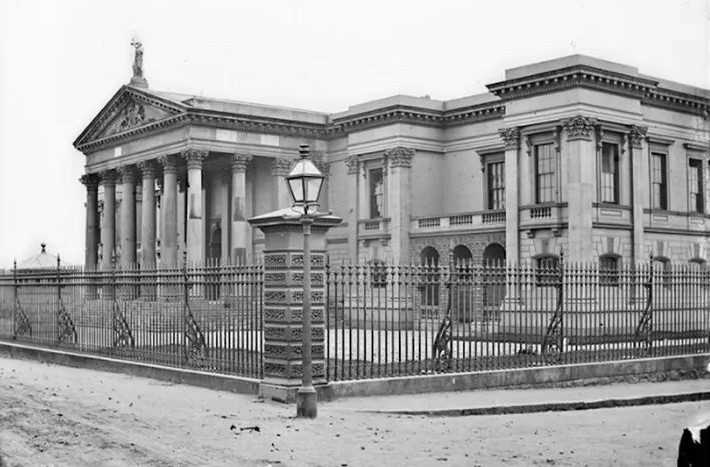
Although 502 people died as a result of the Pogrom, only 12 people were charged with murder. All were acquitted. Yet the first person to be convicted by a Belfast court under the Firearms Act 1920 was a member of the B Specials. Who else was charged with similar offences and what were the outcomes?
-
Belfast republicans and the Treaty split of 1922: Part 2
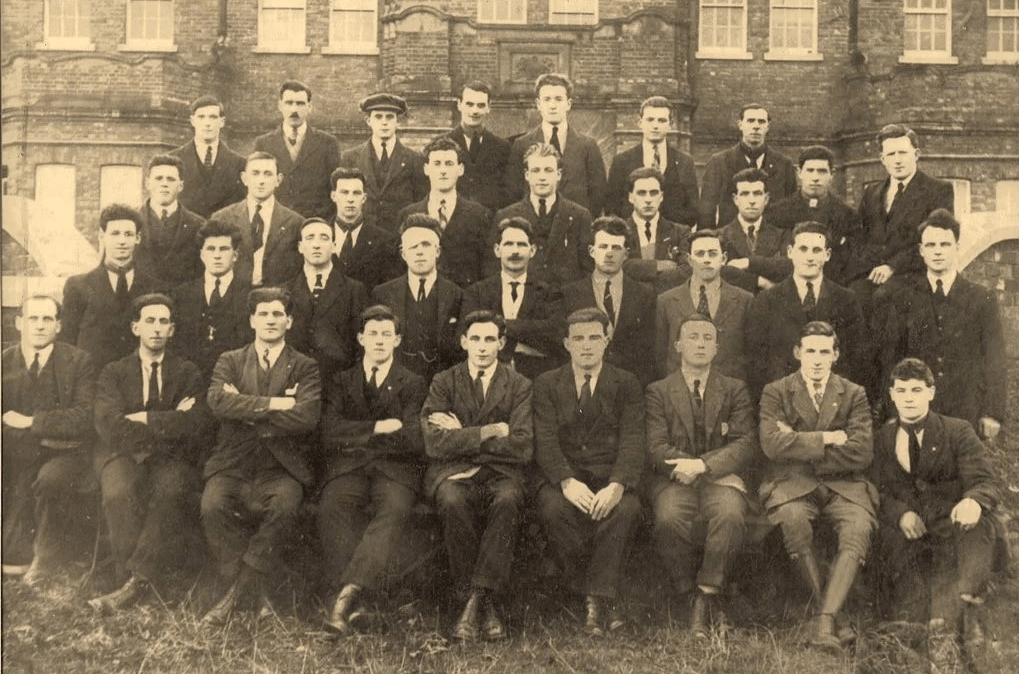
Part 1 of this post looked at the split in the Belfast IRA over the Treaty and the violence in the city between the two factions. Here, the focus switches to those who stayed with the pro-Treaty GHQ in Dublin and participated in the Civil War.
-
Belfast republicans and the Treaty split of 1922: Part 1
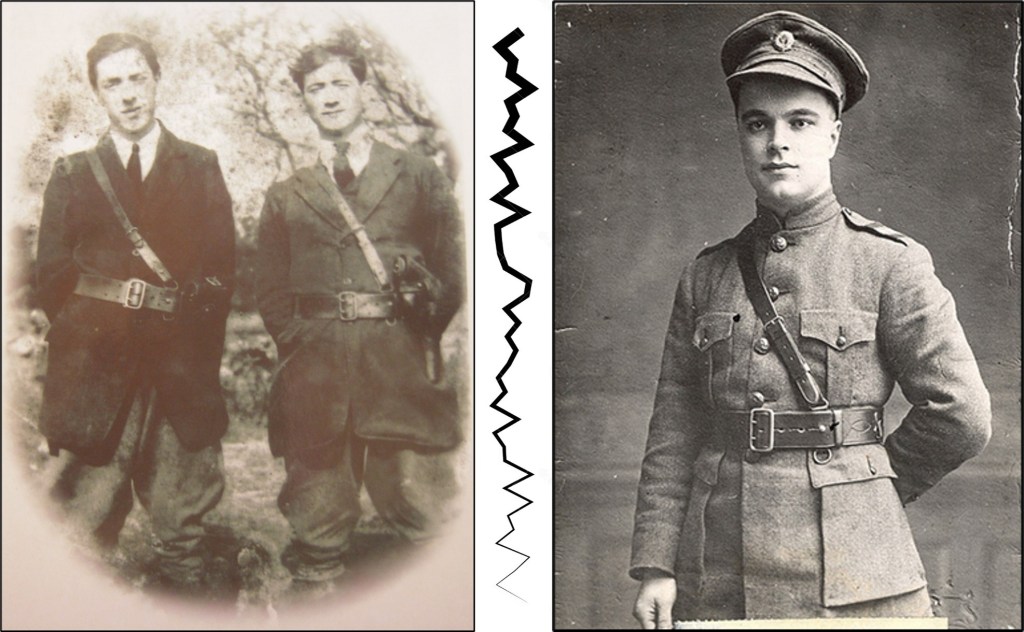
In August, I was part of a discussion panel at Féile in Belfast that looked at “The Aftermath of the Civil War in Belfast.” Here, I look at how unity among Belfast Republicans was shattered in 1922.
-
The IRA spy who joined the Specials
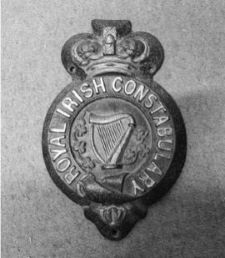
There was widespread mistrust of the RIC among unionists. To what extent were their suspicions well-founded? This blog post examines the divided loyalties of some members of the RIC in Belfast.
-
Who was responsible for the killings?

The fog of war and chaos of rioting do not completely obscure who carried out the killings in Belfast during the Pogrom. This blog post explores the extent to which responsibility for those killings can be attributed.
 The Belfast Pogrom