Category: Uncategorized
-
The Map of the Belfast Pogrom
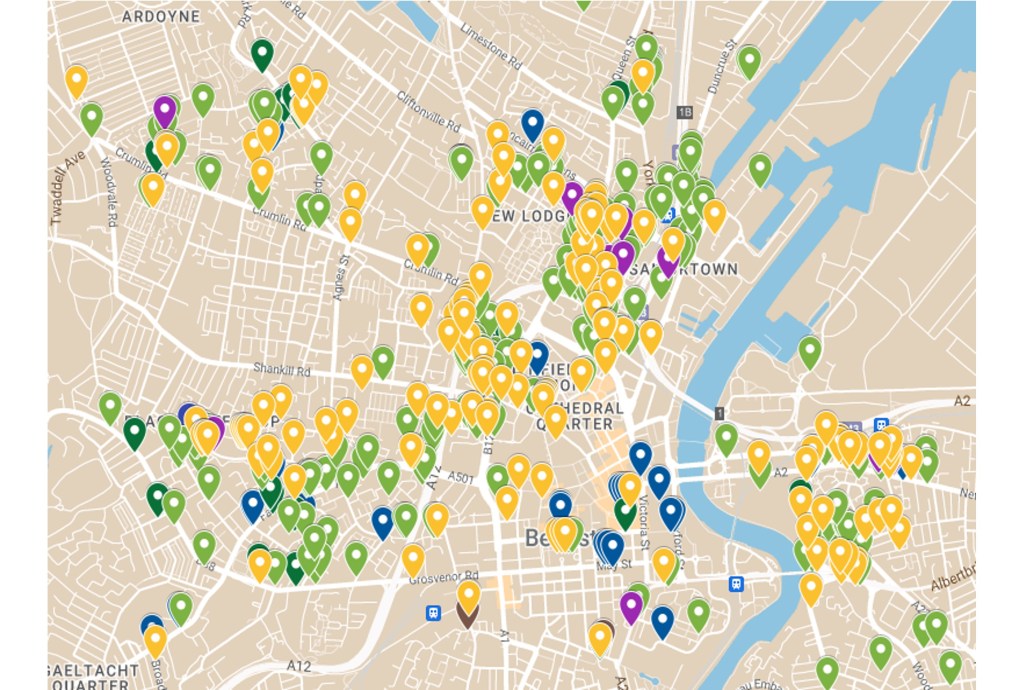
This is not an article, but a project: a map of all the deaths of the Belfast Pogrom, with each person’s name, the date, nature and location of the killing, who was responsible and when the inquest was reported in the press.
-
“The Specials had been firing on the troops” Part 2
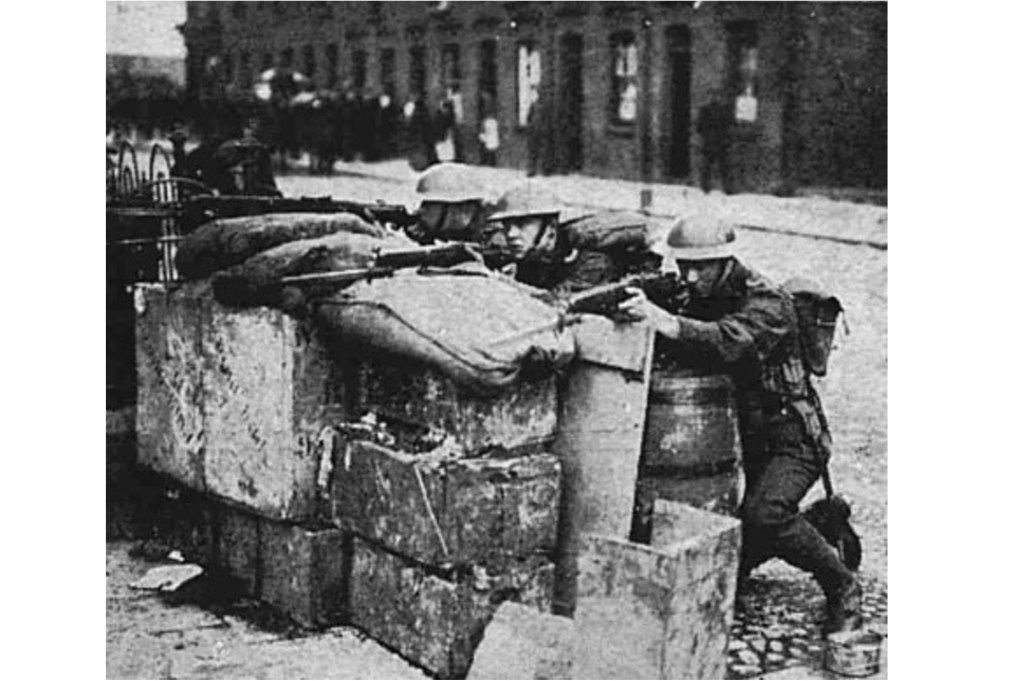
Part 1 of this post looked at the political tensions between the Unionist government and the British Army, as well as violent clashes between loyalists and the Norfolk Regiment in north Belfast. This part looks at the experiences of soldiers from other regiments in west and east Belfast.
-
“The Specials had been firing on the troops” Part 1
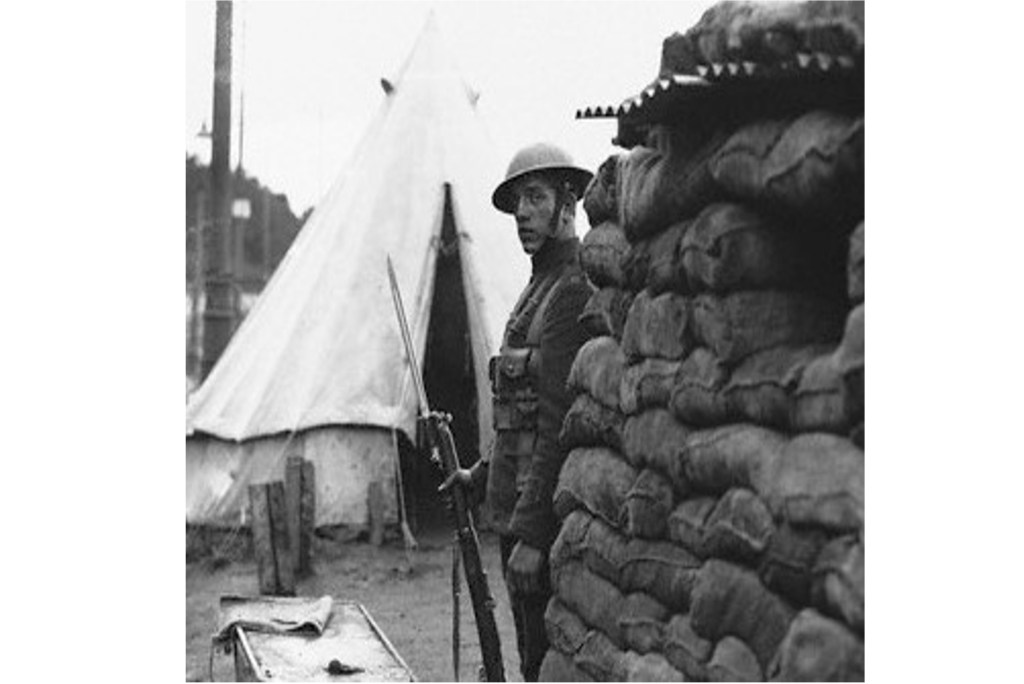
Thousands of unionists were among the British soldiers killed and wounded on the first day of the Battle of the Somme in 1916. But some loyalists tried to kill or wound British soldiers in Belfast six years later.
-
Did the IRA shoot the wrong Military Adviser? Part 2
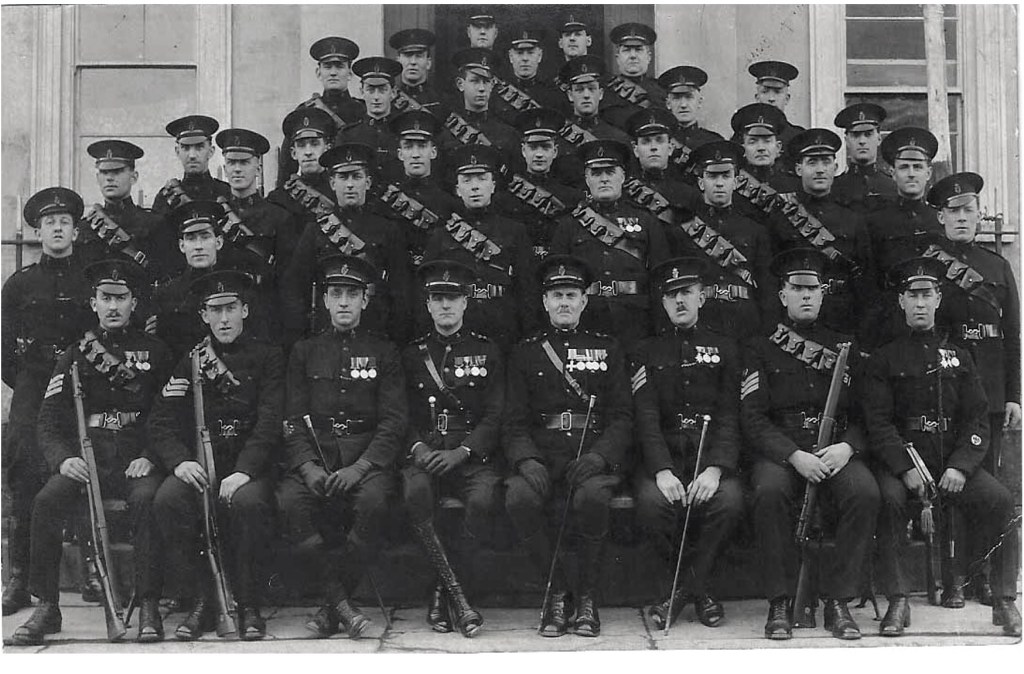
Part 1 of this post examined the plans and schemes devised by Major General Arthur Solly-Flood, Military Adviser to the Unionist Government of Northern Ireland, during his first few months in the role. Here, his most contentious proposal is discussed: the abolition of the B Specials.
-
Book review: “Ghosts of a Family” by Edward Burke

This is the most important book to be written in decades about the events of this period in the entire north, not just in Belfast.
-
Did the IRA shoot the wrong Military Adviser? Part 1
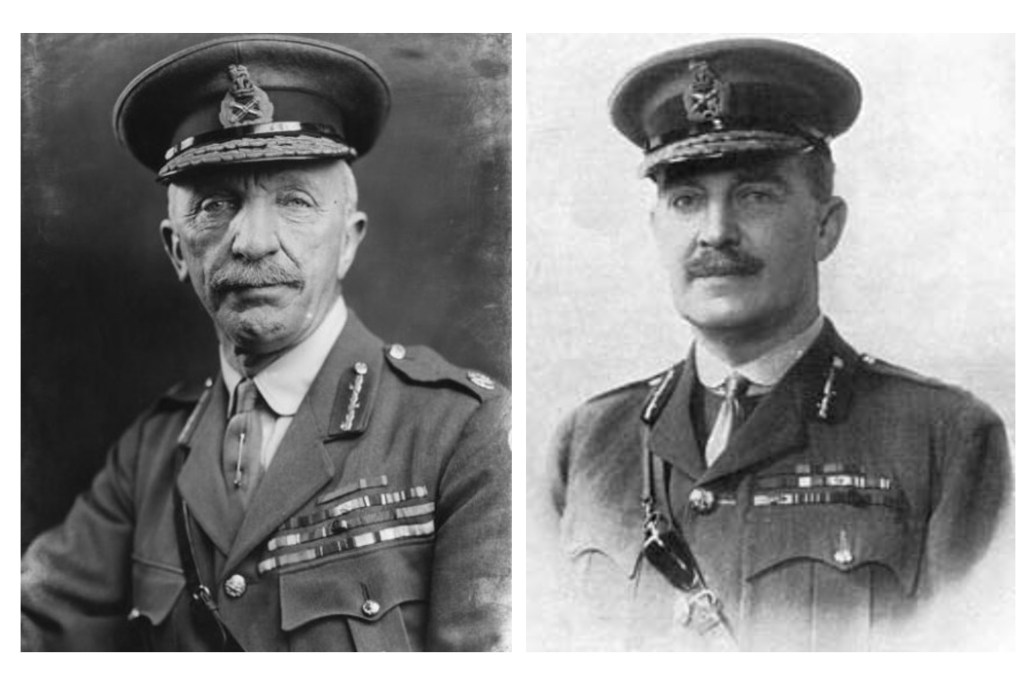
The killers of Field Marshall Henry Wilson said that one of their motives was his involvement in the Pogrom, but they over-stated the extent of this. His successor as Military Adviser to the Unionist government, Major General Arthur Solly-Flood, lasted longer but had less impact than he would have wished.
-
After the McMahons: the victims of Arnon Street
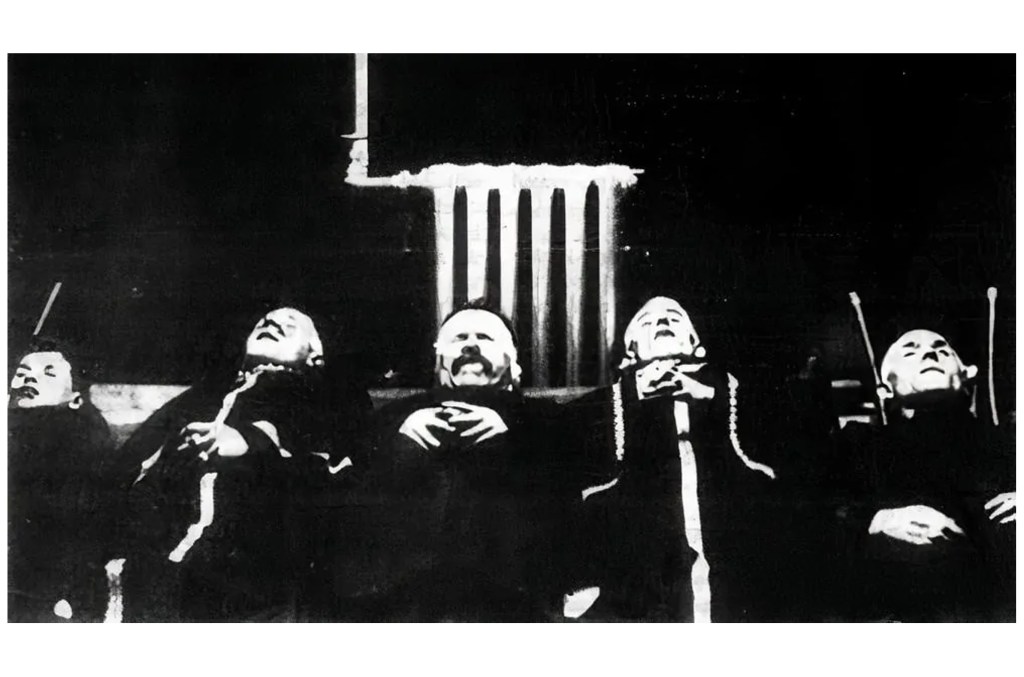
Just over a week after the notorious McMahon family killings, there was another attack with multiple fatalities. While there is a well-known photo of victims of the first incident, there are also photos of the victims of what came to be known as the “Arnon Street killings.”
-
Writings about the Pogrom

It would be an exaggeration to talk about “the literature of the Pogrom” as there simply isn’t very much of it. Instead, this post looks at various works in which the Pogrom figures to differing degrees – a novel, two plays, a poem and two contemporary pamphlets of political analysis.
-
Violence against women in Belfast: Part 2 – gendered and sexual
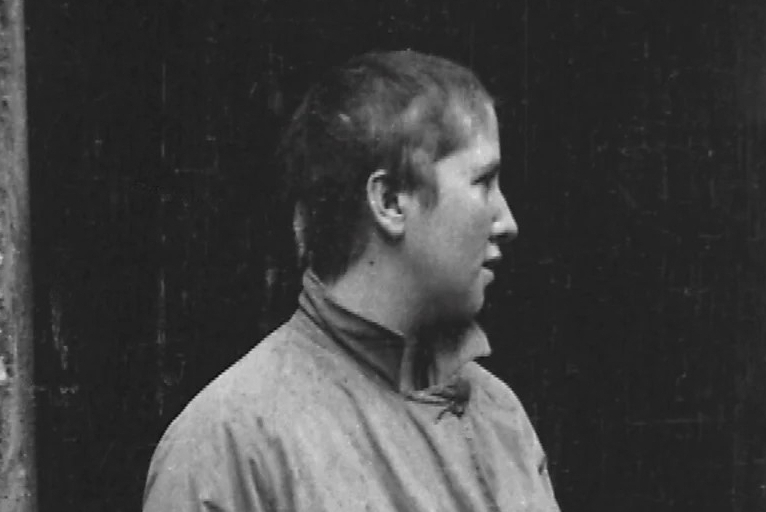
Part 1 of this post examined the first two of the forms of violence against women in the revolutionary period outlined by Marie Coleman – physical, psychological, gendered and sexual. This part investigates the extent to which Belfast women were subjected to gendered and sexual violence.
-
Violence against women in Belfast: Part 1 – physical and psychological
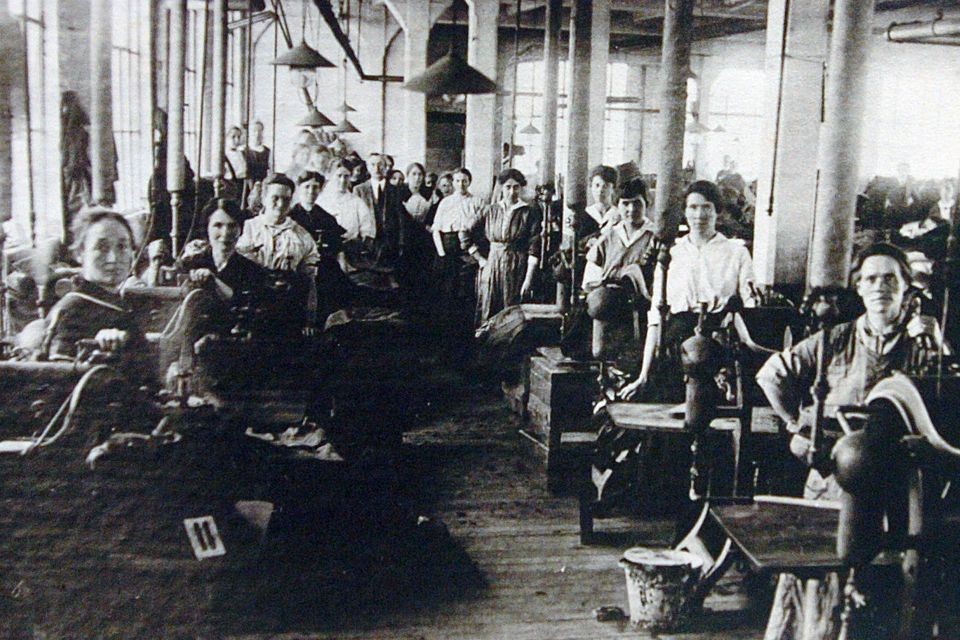
In recent years, increasing attention has been paid to the issue of violence committed against women during the Irish revolution. In Belfast, women and girls faced two arcs of violence: one political/sectarian, one gender-based; while the former was often lethal and the latter mostly non-lethal, at times they intersected.
 The Belfast Pogrom